
In early 2026, in a commercial office building in a North African country, property manager David was troubled by the same anxiety every Monday morning:
“Will there be a power outage today?”
With multiple logistics companies, consulting firms, and small tech enterprises settled in the building, power instability is no longer an “inconvenience” but a core problem directly affecting business survival—each power outage may lead to delivery delays, project halts, and customer loss.

Office Blackouts Affecting Productivity
As the property manager, David dealt with numerous complaints caused by power outages every day:
Elevators stopped unexpectedly, trapping tenants and triggering numerous complaints.
During the hot season, air conditioning outages left offices uncomfortable, preventing employees from working effectively.
Computers and servers suddenly shut down, resulting in file loss and interrupted online meetings, forcing business to stop.
To attract high-quality tenants, the property added electric vehicle charging piles, which only worsened the already fragile power supply system: power demand increased, and grid stability became even worse.
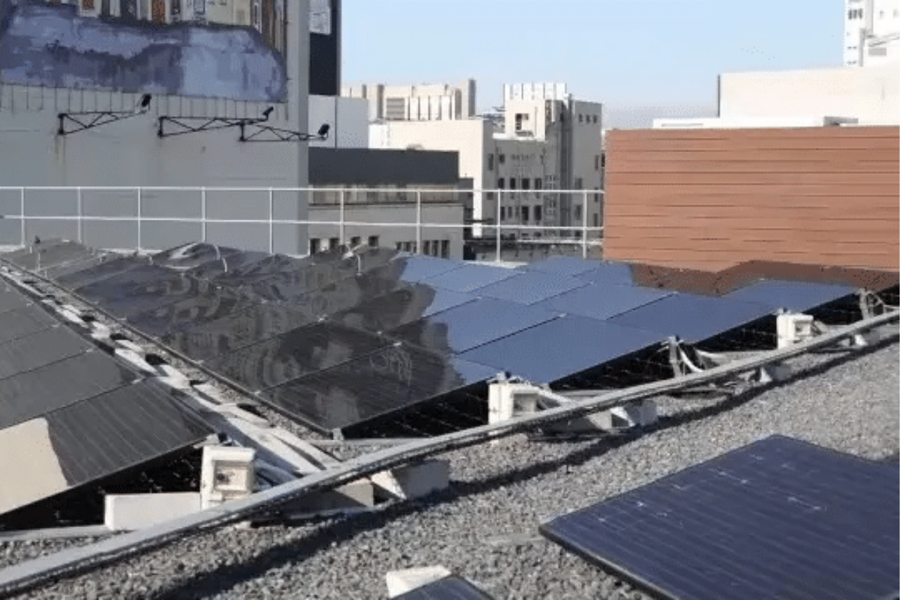
Existing 360kW PV System: Limited Solar Coverage
The office building had previously installed a 360kW PV system, which was intended to ease power pressure, but the actual effect was not ideal:
The 360kW PV system could only cover about 60% of the building’s daily electricity demand, failing to meet the overall needs of office work, air conditioning, and charging piles;
Without energy storage equipment, excess power during the day was directly wasted and could not be used as a backup at night or on cloudy days;
The PV system relied on grid connection; when the mains power was interrupted, the PV system also shut down and could not be used for emergency purposes.
David suddenly realized: “We are not short of electricity, but lack a stable energy system for overall scheduling.”
Upgrade Your Energy System: Say Goodbye to Power Outages
After several long power outages caused tenant withdrawal and business losses, the property made up its mind to upgrade the energy system with clear goals:
Achieve 24/7 stable power supply and completely solve the power outage problem;
Reduce reliance on the unstable power grid and lower business risks;
Stably support the load of charging piles and fulfill commitments to tenants;
Optimize energy utilization and control electricity costs.
Integrated Solar, Storage, and Diesel Energy System
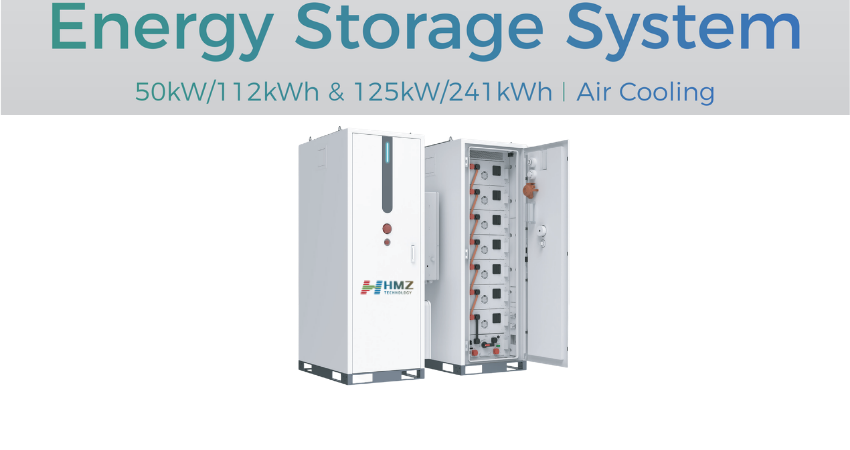
After research and comparison, the property adopted an integrated “PV + Energy Storage + Mains Power + Diesel Generator” solution to build a stable, self-scheduling, and mutually backup system with the following configurations:
Energy Storage System: 750kW / 1.6MWh, storing excess solar power and supplying peak demand efficiently.
PV Integration: Connect the original 360kW PV system to the integrated platform to maximize the use of clean energy;
Diesel Generator Backup: Started in extreme cases to avoid power interruption due to exhausted energy storage;
EMS Intelligent Scheduling: Automatically allocate power supply priority to achieve efficient coordinated operation
Achieving “Controllable and Rhythmic” Electricity Usage
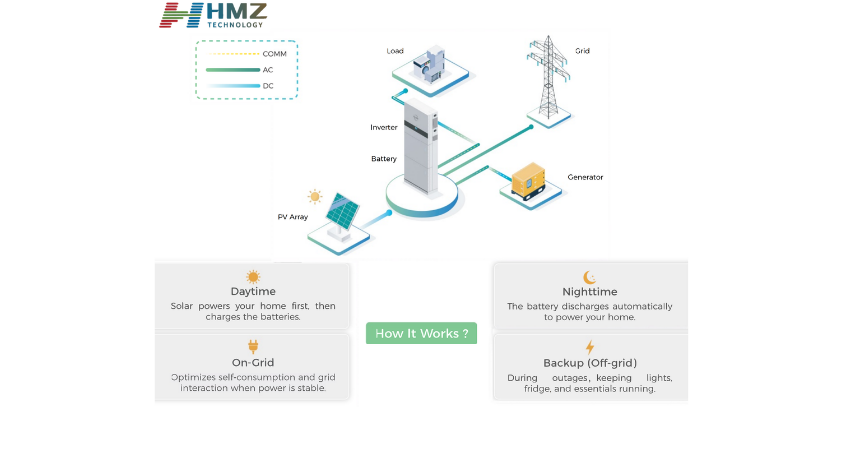
After the system was put into operation, the electricity use of the office building became completely orderly and stable, with clear scheduling logic for each period:
Weekday Daytime: The PV system generates power at full capacity, prioritizing various electricity needs, and excess power is stored in the energy storage system;
Peak Electricity Demand: The energy storage system releases power to fill the gap and reduce reliance on mains power;
Weekends and Non-Working Hours: Prioritize fully charging the energy storage system to reserve power for the peak demand on workdays;
Mains Power Outage: The energy storage system takes over power supply in milliseconds, and the diesel generator is only started for emergency when the energy storage is insufficient.
From Passive Response to Active Control
After several months of stable operation, the results are remarkable:
·Power outages basically eliminated: The number of monthly power outages dropped from more than 15 to 1-2, which was almost imperceptible to tenants;
Tenant satisfaction improved: Complaints decreased by 80%, retaining old tenants and attracting new ones;
Charging piles operate stably: Average daily charging of more than 50 vehicles, fulfilling commitments;
Cost optimization: Diesel consumption dropped by 40%, saving $2,000 per month, and total electricity costs fell by 18%.
David sighed: “In the past, we were led by power problems; now, we truly hold the initiative in energy.”